If your website is not ranking on Google, you are not alone. Thousands of businesses launch websites every year but struggle to appear on the first page of search results. The problem is usually not the design — it’s the lack of proper SEO strategy, structure, and optimization.
In this detailed guide, we will explain the real reasons why your website is not ranking and the exact steps you can take to fix it in 2026.
You Are Targeting the Wrong Keywords
One of the biggest mistakes website owners make is targeting highly competitive keywords.
For example, trying to rank for:
- “Website design”
- “SEO services”
- “Digital marketing”
These keywords are extremely competitive.
Solution:
Target long-tail keywords like:
- “Affordable website development company in India”
- “SEO services for small business in Delhi”
- “Ecommerce website design cost in India”
Long-tail keywords:
- Have lower competition
- Convert better
- Rank faster
Your Website Has Weak On-Page SEO
Even good content won’t rank if it’s not optimized properly.
Common On-Page Mistakes:
No keyword in title
Missing meta description
Multiple H1 tags
Poor heading structure
No internal linking
Fix It:
- Use one H1 per page
- Include keyword in title and first 100 words
- Add internal links
- Write compelling meta descriptions
- Optimize images with ALT text
On-page SEO tells Google what your page is about.
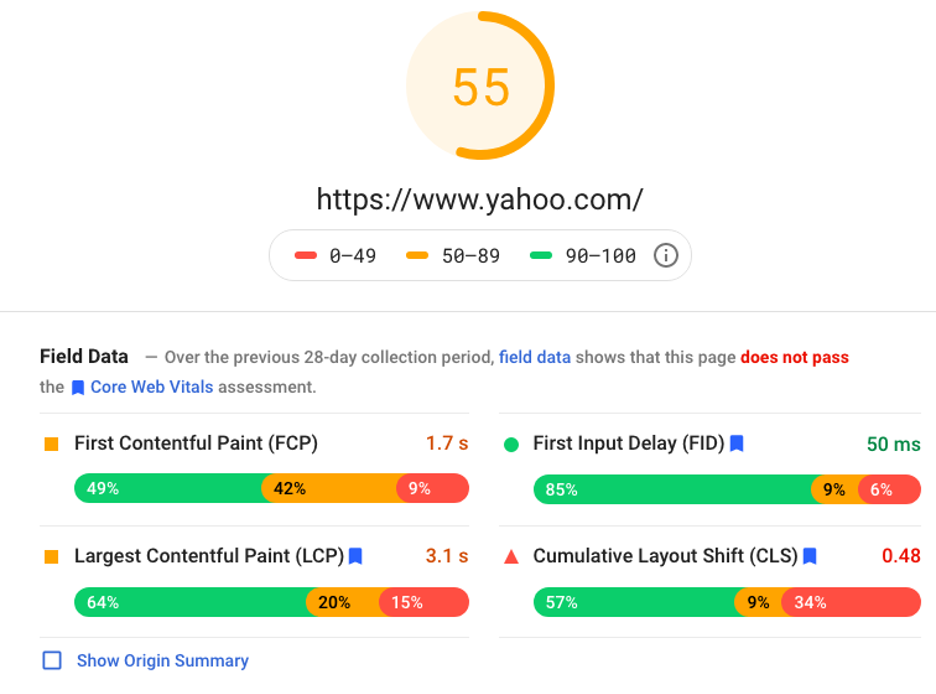
Your Website Is Too Slow

4
Website speed directly affects rankings.
If your site loads in more than 3 seconds:
- Users leave quickly
- Bounce rate increases
- Google lowers your ranking
How to Improve Speed:
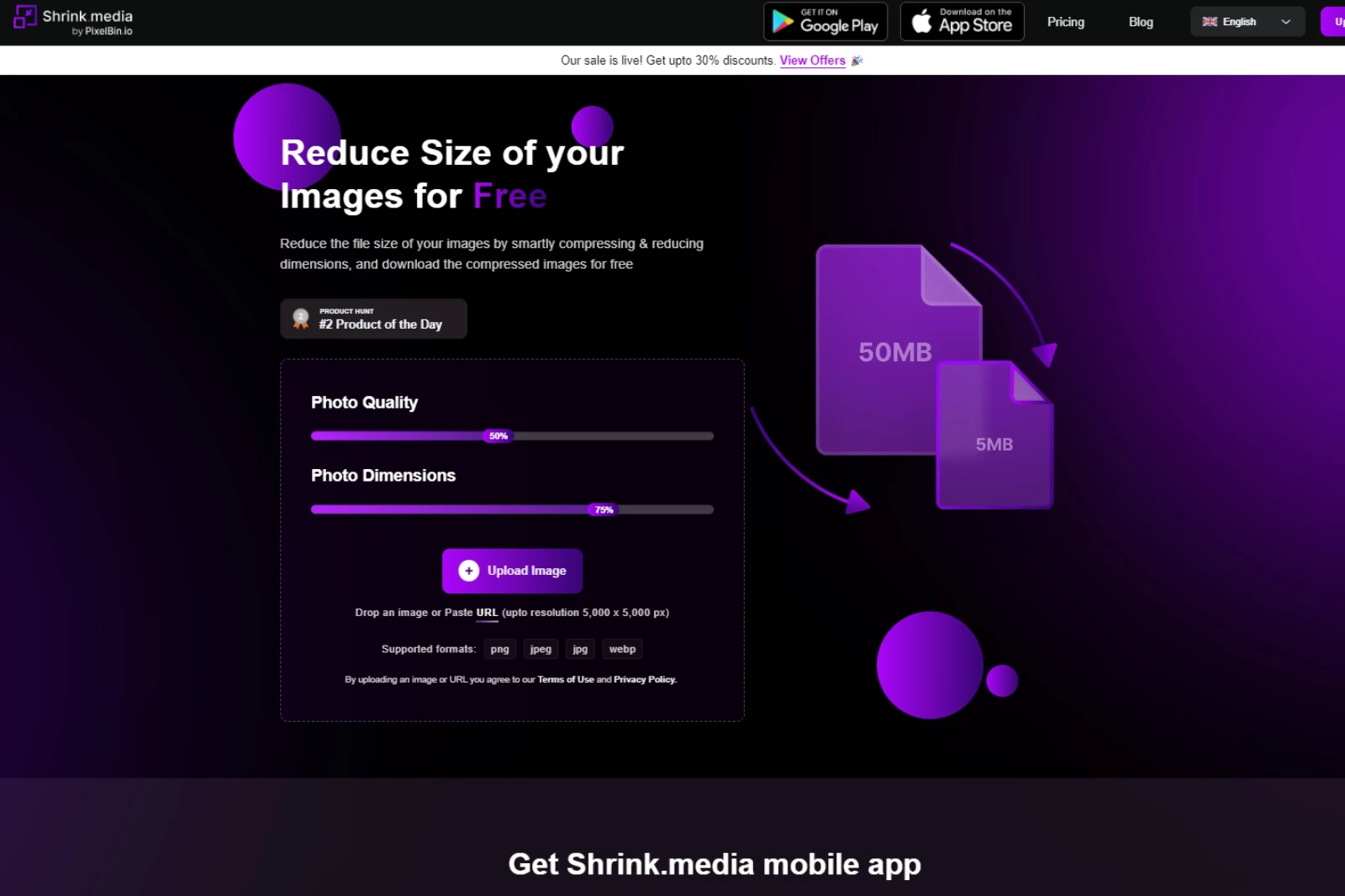
- Compress images (under 100KB)
- Use fast hosting
- Enable caching
- Remove unused plugins
- Minify CSS and JS
Fast websites rank higher and convert better.
Your Website Is Not Mobile Friendly
More than half of users browse on mobile. Google uses mobile-first indexing, meaning it checks your mobile version first.
Problems:
- Text too small
- Buttons too close
- Slow mobile loading
- Layout breaking on smaller screens
Solution:
- Use responsive design
- Test on multiple devices
- Optimize font size
- Keep design clean and simple
Mobile optimization is no longer optional.
You Don’t Have Enough Content
Google prefers websites that regularly publish helpful content.
If your site has only 3–4 pages and no blog section, ranking becomes difficult.
Best Blog Types:
- How-to guides
- Problem-solving posts
- Comparison articles
- Case studies
- Industry insights
Aim for:
- 1000+ word articles
- Real examples
- Updated information
Content builds authority and trust.
You Have No Backlinks
Backlinks are links from other websites to yours. They act as votes of confidence.
If you have zero backlinks, Google may not see your site as trustworthy.
Ways to Build Backlinks:
- Guest posting
- Business directories
- Social media promotion
- Partnerships
- High-quality resource guides
Focus on quality, not quantity.
Poor Technical SEO
Technical SEO problems can silently hurt rankings.
Technical Checklist:
- SSL certificate installed (HTTPS)
- XML sitemap submitted
- Robots.txt properly configured
- No broken links
- Clean URL structure
Use tools like:
- Google Search Console
- PageSpeed Insights
Fixing technical issues often improves rankings quickly.
No Clear User Experience (UX)
Google monitors user behavior. If visitors leave quickly, your rankings drop.
Improve UX By:
- Clear navigation
- Fast loading
- Attractive design
- Easy-to-read font
- Clear call-to-action buttons
When users stay longer, Google sees your content as valuable.
You Expect Instant Results
SEO is not magic.
Ranking timeline:
- 1–2 months: Initial indexing
- 3–6 months: Noticeable ranking improvement
- 6+ months: Strong authority building
Consistency beats shortcuts.
Step-by-Step Action Plan to Fix Ranking Issues
Step 1: Do keyword research
Step 2: Optimize titles and headings
Step 3: Improve website speed
Step 4: Make it mobile friendly
Step 5: Publish 2–4 blog posts monthly
Step 6: Build backlinks
Step 7: Monitor results and update content
Follow this plan consistently for 3–6 months to see real improvement.
Final Thoughts
If your website is not ranking, the problem is usually not Google — it’s the strategy.
Ranking requires:
- Proper keyword selection
- Strong on-page SEO
- Technical optimization
- Speed improvement
- Quality content
- Backlink building
When all these elements work together, your website starts climbing search results naturally.
SEO is not about quick tricks. It’s about structure, value, and consistency.