In today’s competitive digital world, simply having a website is not enough. Millions of websites are launched every year, but only a small percentage actually rank on Google and generate consistent traffic. If you want your website to become a powerful business asset in 2026, you must combine strategy, SEO, speed, content quality, and user experience.
This detailed 1000-word guide will explain the best way to build a website that not only looks professional but also ranks on Google and converts visitors into customers.
1. Start With Clear Goals and Research
Before choosing a design or domain name, start with clarity.
Ask yourself:
- What is the main goal of the website? (Leads, sales, bookings, branding?)
- Who is your target audience?
- What problems are they searching for online?
Understanding your audience helps you choose the right keywords. For example, if you offer digital services, people might search for:
- Website development company in India
- Affordable ecommerce website design
- SEO services for small businesses
Focus on long-tail keywords (4–6-word phrases). These keywords usually have lower competition and higher conversion rates. Ranking for “affordable ecommerce website design in India” is easier than ranking for “website design.”
2. Choose the Right Platform
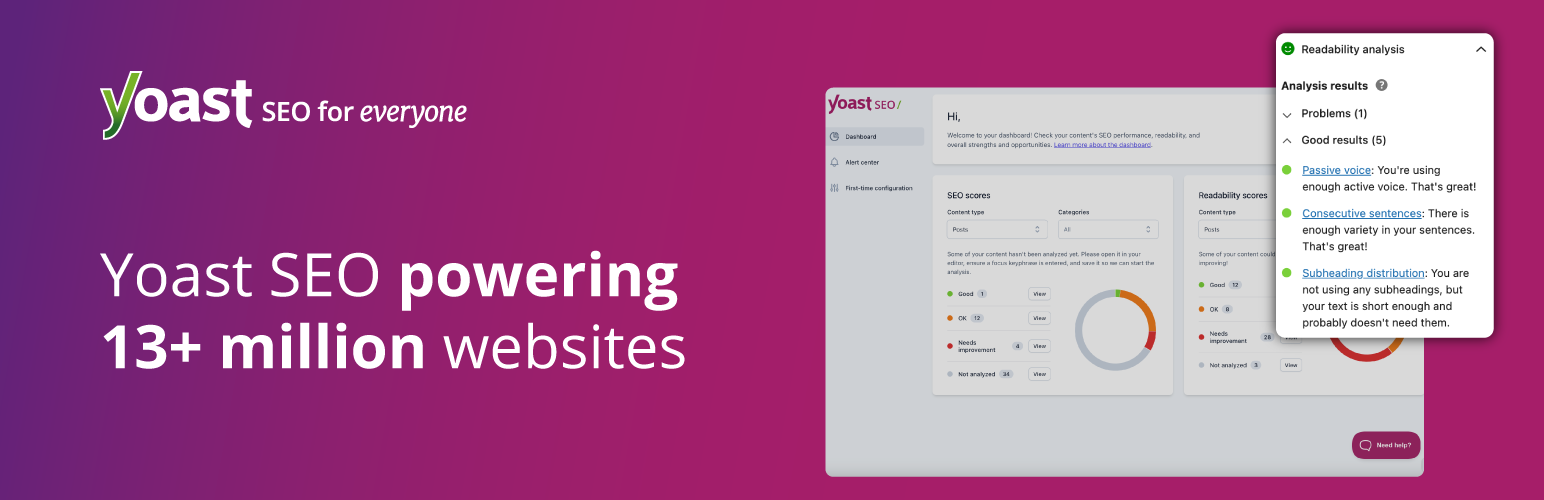
Your platform affects SEO, speed, and scalability. The two most popular options are WordPress and Shopify.
WordPress (Best for Services & SEO Control)

4
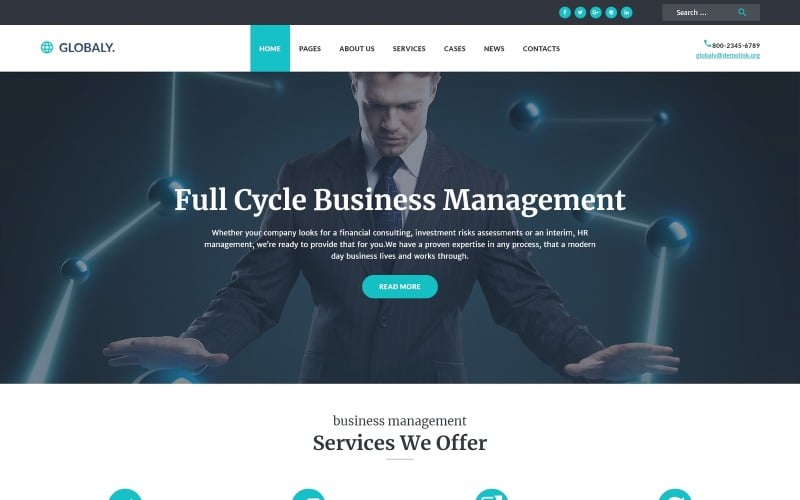
WordPress is ideal if you want full SEO flexibility and blogging power. It offers:
- Customizable themes
- Powerful SEO plugins
- Easy content management
- Lower long-term cost
It’s perfect for service-based businesses, agencies, consultants, and bloggers.
Shopify (Best for Ecommerce)

4
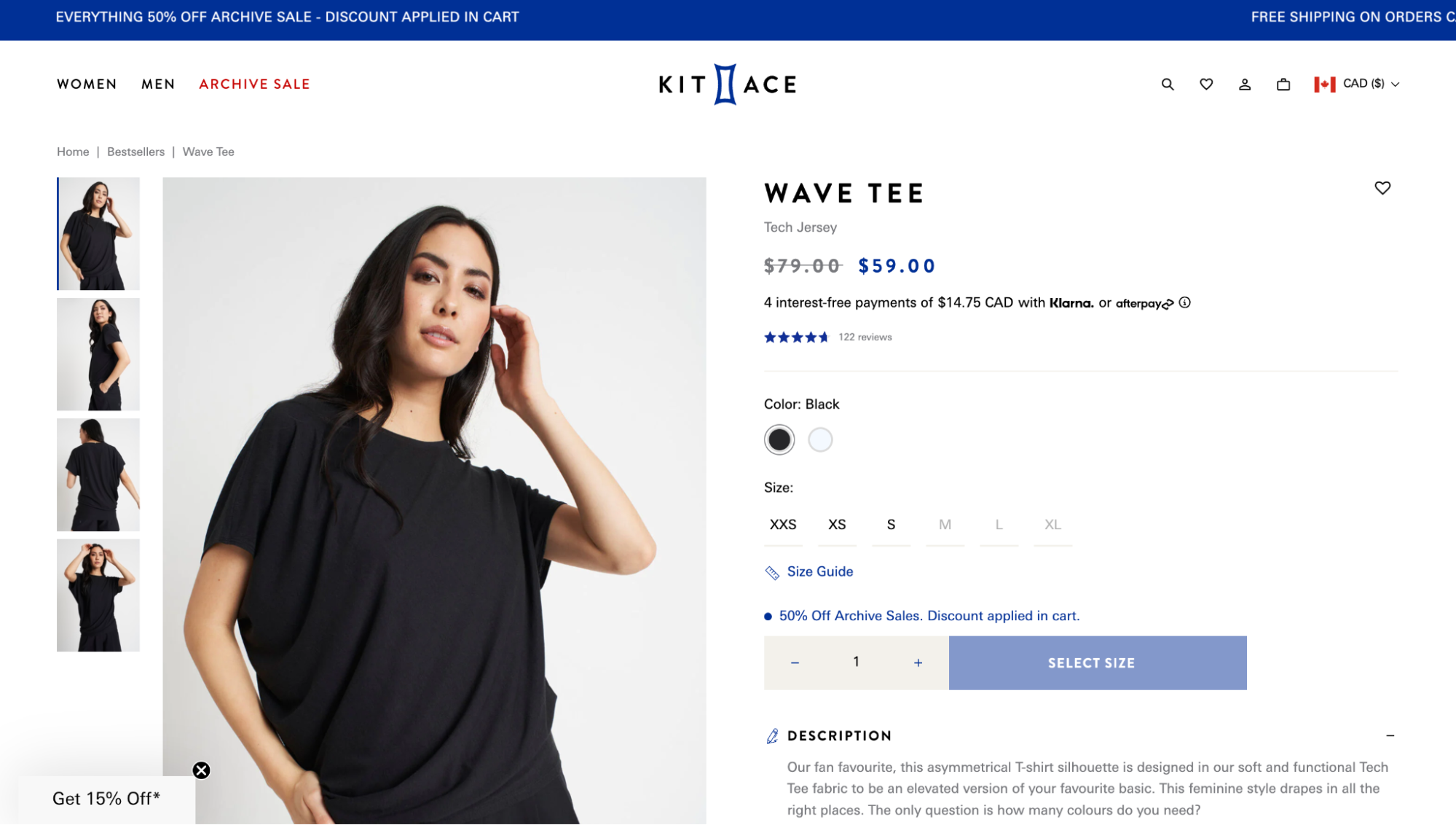
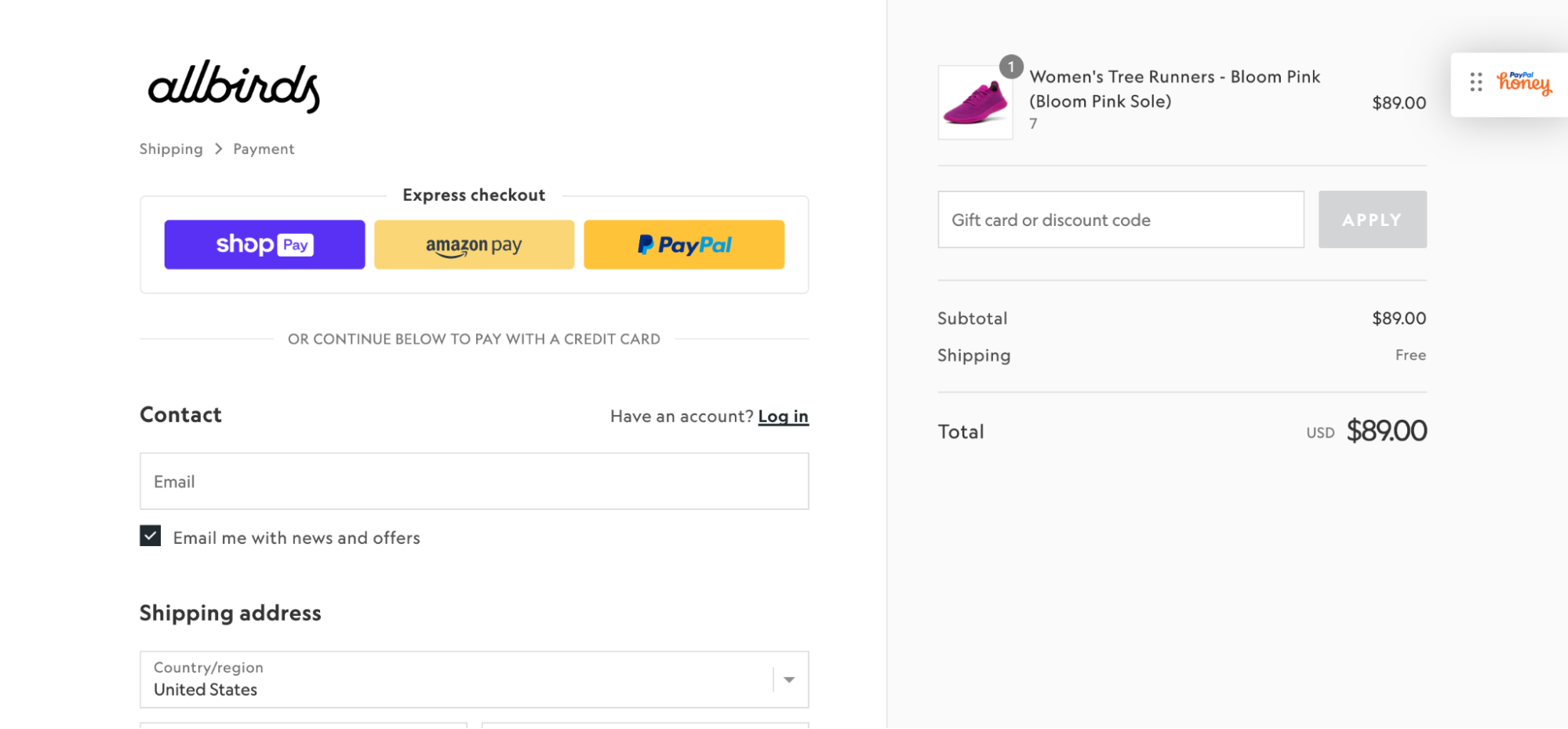
Shopify is ideal for product-based businesses. It offers:
- Secure hosting
- Integrated payment gateways
- Inventory management
- Optimized checkout system
If you are selling products online, Shopify simplifies the entire ecommerce process.
3. Build a Clean and SEO-Friendly Structure
Google ranks websites that are properly structured and easy to understand.
Your website must include:
- Home page
- About page
- Services or Products page
- Blog section
- Contact page
- Privacy policy
Each page should have one H1 heading and multiple H2/H3 subheadings. Keep URLs clean, for example:
yourwebsite.com/website-development-services
Instead of:
yourwebsite.com/page?id=12345
Clear structure improves crawling and indexing.
4. Master On-Page SEO
On-page SEO helps search engines understand your content.
Here is a simple checklist:
- Include your focus keyword in the title
- Use the keyword in the first 100 words
- Write a compelling meta description (150–160 characters)
- Use headings properly
- Add internal links to other relevant pages
- Optimize image alt text
Avoid keyword stuffing. The content should be natural and helpful.
Google rewards content that solves real problems. Instead of writing general information, provide step-by-step solutions, examples, and actionable advice.
5. Focus on Website Speed
4
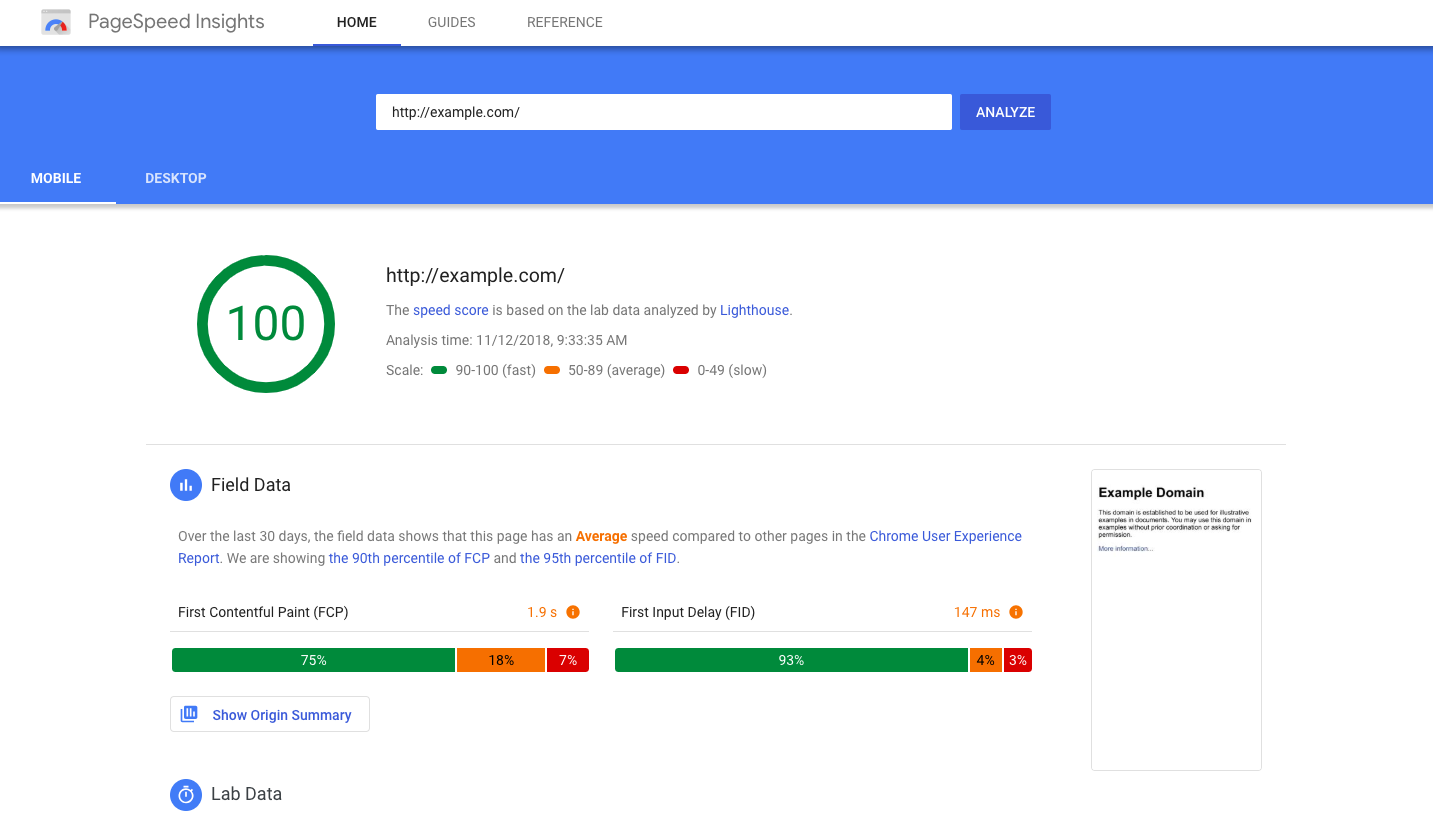
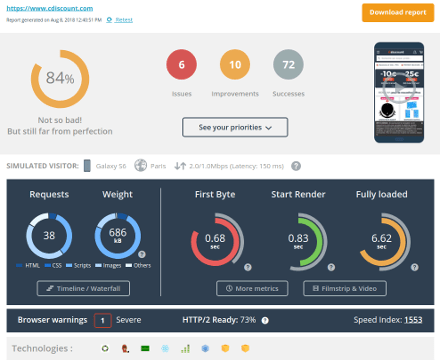
Website speed directly affects SEO and user experience. If your site takes more than three seconds to load, visitors may leave immediately.
Ways to improve speed:
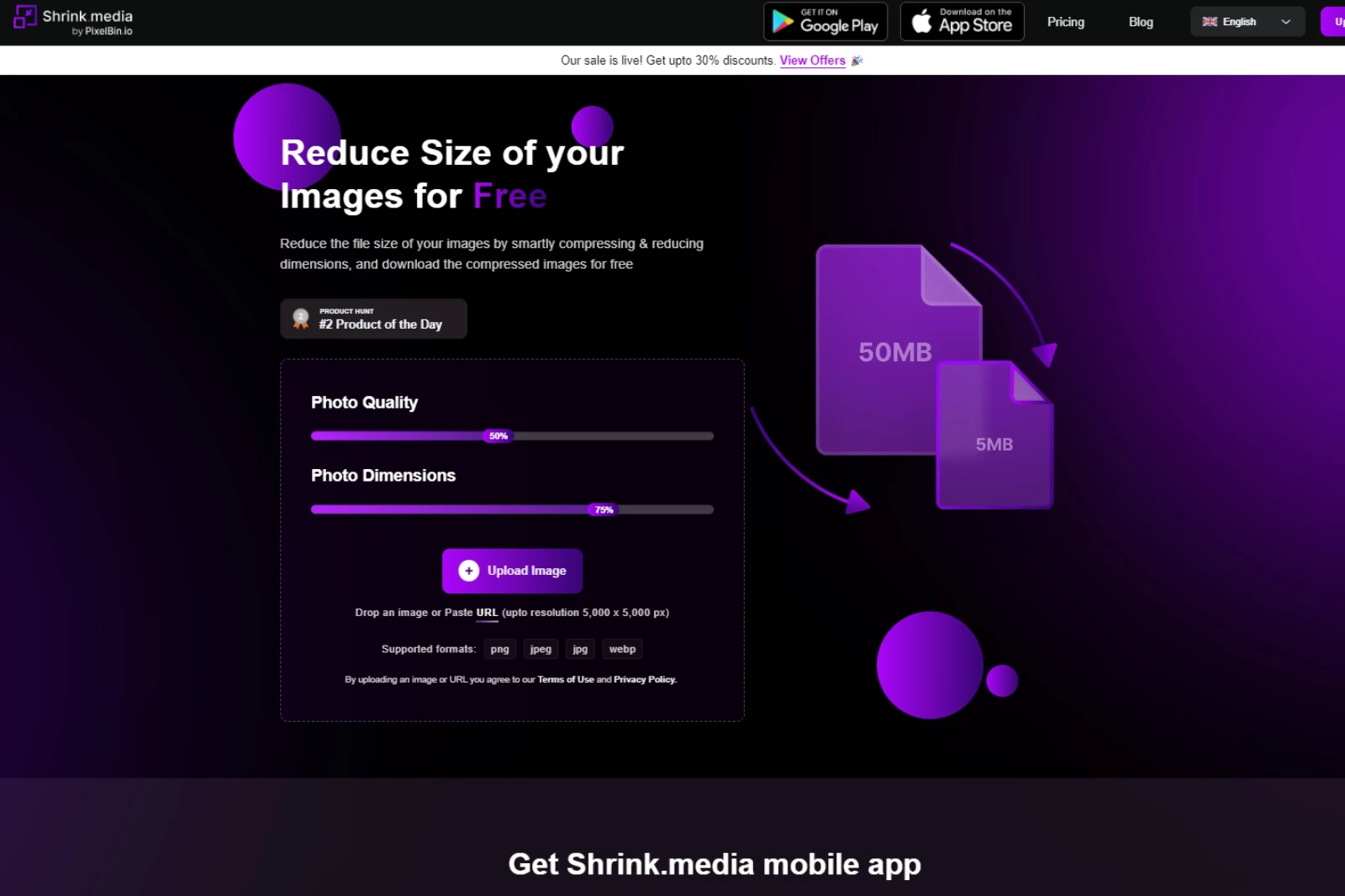
- Compress images below 100KB
- Use quality hosting
- Enable caching
- Minify CSS and JavaScript
- Use a Content Delivery Network (CDN)
Fast websites reduce bounce rate and increase ranking potential.
6. Create High-Quality Content Regularly
Content is the backbone of SEO. One well-optimized page is not enough. You must publish helpful content consistently.
Best-performing blog formats include:
- How-to guides
- Problem-solving articles
- Comparisons (WordPress vs Shopify)
- Case studies
- Step-by-step tutorials
Each article should ideally be 1000+ words with clear structure, useful information, and examples.
Update older articles every few months to maintain freshness. Google values updated content.
7. Design for Conversion
Getting traffic is important, but converting visitors is more important.
Your website should include:
- Clear call-to-action buttons (Get Quote, Contact Us, Buy Now)
- Contact forms
- WhatsApp chat integration
- Testimonials
- Portfolio or case studies
- Trust badges and certifications
Place CTAs in strategic positions:
- Top section
- Middle of the page
- Bottom of the page
Make it easy for visitors to take the next step.
8. Build High-Quality Backlinks
Backlinks are links from other websites to your website. They act as votes of confidence for Google.
You can build backlinks through:
- Guest posting
- Business directories
- Social media sharing
- Collaborations
- Publishing valuable research or guides
Focus on quality over quantity. A few strong backlinks are better than hundreds of low-quality ones.
9. Optimize for Mobile Users
More than 60% of traffic now comes from mobile devices. Your website must be:
- Mobile responsive
- Easy to navigate on small screens
- Fast-loading
- Simple and readable
Google uses mobile-first indexing, meaning it evaluates your mobile version first.
10. Track Performance and Improve
After launching your website, monitor performance.
Use tools like:
- Google Search Console
- Google Analytics
- PageSpeed Insights
Track:
- Keyword rankings
- Organic traffic
- Bounce rate
- Conversions
SEO is not a one-time activity. It is an ongoing process of improvement.
Final Thoughts
Building an SEO-optimized website in 2026 requires more than just design skills. You must focus on:
- Keyword research
- Platform selection
- Technical SEO
- Speed optimization
- Content marketing
- Conversion strategy
- Backlink building
When done correctly, your website becomes a long-term digital asset that consistently generates leads, sales, and brand visibility.
Ranking on Google is not about shortcuts. It’s about providing value, maintaining consistency, and continuously improving your website.